Why Do People Cheat Even When They Love Their Partner? The Psychology Behind Betrayal
Why Do People Cheat Even When They Love Their Partner? The Psychology Behind Betrayal
What happens when the person you built your entire life with becomes the person you no longer recognize?
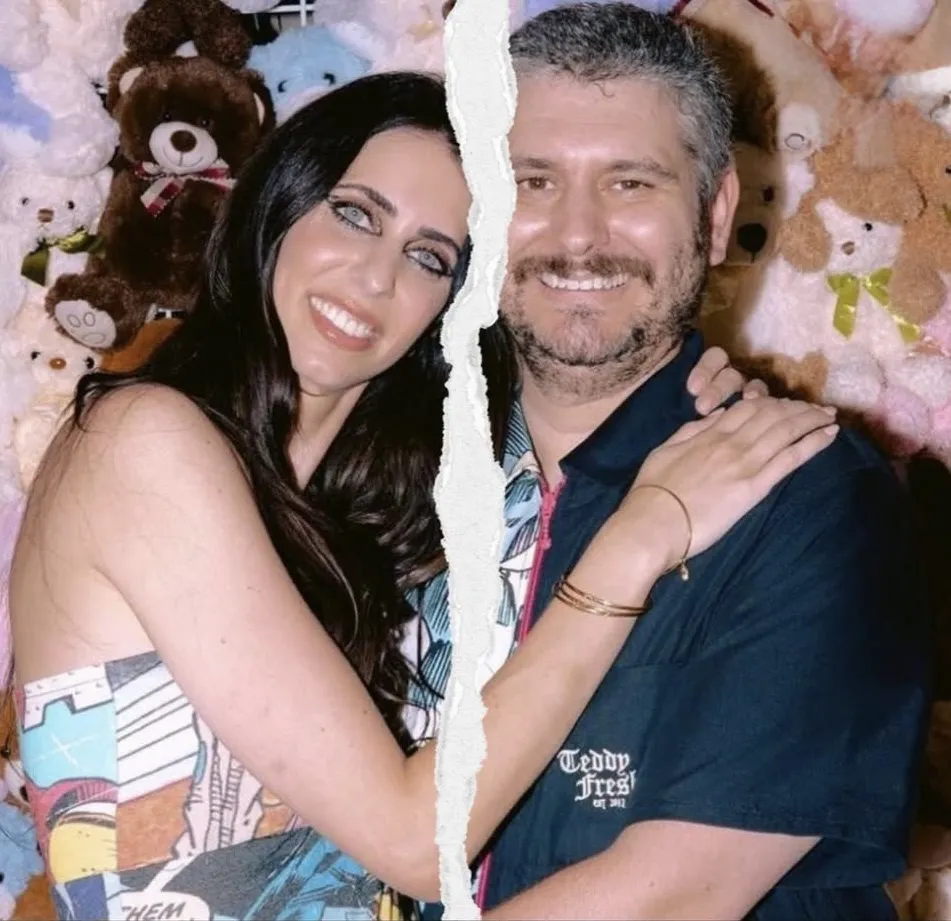
For nearly two decades, Ethan and Hila Klein were more than a married couple. They were partners, parents, business collaborators, and the familiar faces behind the H3 Podcast.
Then came the kind of news that makes even complete strangers feel heartbroken.
On October 22, 2026, Hila publicly accused Ethan of having an affair lasting more than six months. She described sensing something was wrong, questioning him, and eventually questioning her own instincts when her concerns were dismissed.
On November 2, Hila filed for divorce, according to PEOPLE's reporting on the court documents.

The Los Angeles Times reported on the H3 Podcast's indefinite hiatus following the allegations.
And suddenly, millions of people were watching something painfully familiar unfold in public.
A relationship that appeared deeply intertwined with love, family, friendship, and professional success was facing allegations of betrayal.
We don't know everything that happened behind closed doors, and we certainly cannot know Ethan's psychological motivations.
But their story raises a question I've heard countless times in my work with couples and individuals:
Can someone genuinely love their partner and still cheat on them?
And perhaps an even more uncomfortable question:
Can two people share a life, a business, a bed, and a family, yet stop truly seeing each other?
These are separate questions, and neither explains what happened in the Kleins' marriage. But both deserve a conversation.
Can You Really Love Someone and Still Cheat?
Yes.
I know. Not exactly the answer someone wants to hear after discovering their partner's secret messages.
We want love to function like an emotional security system.
If someone loves me, they won't hurt me.
If someone loves me, they won't lie to me.
If someone loves me, they won't desire someone else.
But human psychology doesn't operate according to our romantic expectations.
Love is an emotional experience. Fidelity involves choices, agreements, boundaries, and behavior.
A person can feel genuinely attached to their partner while acting in ways that violate that partner's trust.
Love is a feeling. Loyalty is a behavior. And feelings don't excuse behavior.
Understanding that distinction doesn't mean accepting infidelity. It means recognizing that love alone is not sufficient to sustain a healthy relationship.
Why Do People Cheat? The Research Might Surprise You
Let's retire the idea that people only cheat because something is wrong with their partner.
A study published in The Journal of Sex Research examined 495 people who reported infidelity.
Researchers identified eight motivations: anger, neglect, lack of love, low commitment, sexual desire, sexual variety, self-esteem, and situational factors.
Notice something?
Not all cheating is motivated by an unhappy relationship.
Sometimes people seek sexual excitement. Sometimes they feel disconnected or resentful. Sometimes they want reassurance that they're still attractive, desirable, or important.
And sometimes infidelity is less about the person they're cheating with and more about how that person makes them feel.
Think about it.
A stranger sees your best side.
They're fascinated by your stories.
They find your terrible jokes hilarious.
They don't know every insecurity, mistake, or embarrassing moment you've accumulated over the years.
With them, you get to be someone new.
Or perhaps someone you miss being.
Sometimes people aren't looking for another partner. They're looking for another version of themselves.
Follow-up research published in the Journal of Sex & Marital Therapy also found that different motivations for infidelity were associated with different affair experiences and relationship outcomes.
But no psychological explanation turns betrayal into an accident.
The responsibility for cheating belongs to the person who chooses to cheat.
The Relationship Problem We Don't Talk About Enough: We Stop Being Curious
Here's something I often tell couples:
You can spend every evening together and still be emotionally absent from each other's lives.
People assume that keeping a relationship alive means scheduling date nights.
Go to a restaurant.
Book a romantic weekend.
Order an expensive bottle of wine.
Take a photo together.
Wonderful.
But here's my question: When was the last time you learned something new about the person sitting across from you?
Not what they want for dinner.
Not whether they remembered to pay the electricity bill.
Something about who they are becoming.
What excites them lately? What frightens them? What have they discovered about themselves? What makes them feel proud? What is something they secretly want to try?
When was the last time your partner surprised you with who they are, not with what they bought you?
People change.
The person you married five, ten, or twenty years ago is not exactly the same person sitting beside you today.
Neither are you.
Yet couples often behave as though they finished getting to know each other years ago.
As if love were a book you read once and already know the ending.
We become experts in our partner's routines while becoming strangers to their inner world.
I believe that one of the most overlooked ingredients in lasting love is curiosity.
Not suspicion.
Not interrogation.
Genuine curiosity.
The kind that says: I'm still interested in discovering you.

Being Present Is Not the Same as Being Together
You can sit next to someone for three hours and give them ten minutes of your actual attention.
And no, putting both phones on the table face down doesn't automatically qualify as intimacy.
Being present means more than occupying the same space.
It's listening without mentally preparing your response.
It's noticing when someone's energy changes.
It's remembering something they were excited about and asking how it went.
It's being genuinely interested in what matters to them, even when it isn't particularly interesting to you.
Researchers call one related concept perceived partner responsiveness: the feeling that your partner understands, validates, and cares about your inner experience.
A study published in Psychological Assessment examined this construct as an important part of understanding intimacy in romantic relationships.
Additional research on responsiveness and relationship quality has connected the experience of feeling understood and valued with closer, more satisfying relationships.
In other words, people need more than a partner who shows up.
They need someone who makes them feel seen.
And here's the difference:
Attention says, "I'm looking at you." Presence says, "I'm interested in you."
This doesn't mean a lack of presence causes cheating. Infidelity has multiple causes, and nobody earns betrayal by failing to be sufficiently interesting.
But presence matters enormously to the quality of a relationship.
Forget Another Restaurant. Find Something You Can Look Up To.
I love a good restaurant.
But another reservation isn't going to fix a relationship in which two people have stopped growing together.
And I don't mean you need to become a skydiver, start running marathons, or turn your living room into a meditation retreat.
I mean something that awakens genuine interest and admiration.
Learn a skill. Pursue a dream. Discover an unfamiliar place. Have a conversation that challenges your assumptions. Support your partner in becoming someone they're proud to be.
Better yet, discover something together that neither of you already knows.
Psychologist Arthur Aron and colleagues studied shared novel, exciting activities and relationship satisfaction.
Their research, published in the Journal of Personality and Social Psychology, found that couples participating in stimulating new activities experienced improvements in relationship quality under experimental conditions.
The point isn't simply to entertain each other.
It's to keep discovering.
And admiration is part of that process.
When you stop being curious about your partner, you may stop noticing the very things that once made you admire them.
That doesn't mean admiration prevents infidelity.
It means a thriving relationship needs more than loyalty to the history you've created. It needs interest in the people you're still becoming.
You can love your memories together and still need to create reasons to admire each other today.
Why Does Being Cheated On Make Us Question Our Worth?
One of the cruelest consequences of betrayal is what happens to the person who was cheated on.
Suddenly, the questions change.
Was I attractive enough?
Was I too independent?
Did I become boring?
Could I have been more interesting?
Should I have paid more attention?
It's as though the betrayed partner becomes responsible for solving the mystery of someone else's choices.
And sometimes self-blame feels safer than admitting we couldn't control what happened.
Because if we caused the betrayal, perhaps we can prevent it from ever happening again.
But that's an illusion.
Two partners may share responsibility for the health of their relationship.
They do not share responsibility for one person's decision to cheat.
You cannot make yourself attractive enough, successful enough, attentive enough, or exciting enough to guarantee someone else's integrity.
And if you've repeatedly found yourself trying to become more lovable to people who hurt you, it may be time to examine that pattern.
I've seen how easily the fear of losing someone can turn into losing ourselves. What begins as understanding becomes excusing. What begins as compromise becomes silence.
If that sounds painfully familiar, read my article on How to Stop People Pleasing and Say Yes to Yourself.
Because being a loving partner should never mean auditioning for your own relationship.
Emotional Cheating: When the Secrecy Hurts More Than the Sex
"We were just talking."
Famous last words.
Sometimes the most painful betrayal isn't physical.
It's discovering that someone else has become the person your partner shares their excitement, vulnerabilities, secrets, and emotional energy with.
Friendship outside a relationship is healthy.
Having private conversations is normal.
But hiding romantic or sexual intimacy, denying what is happening, and repeatedly violating agreed boundaries is something different.
The issue isn't that your partner found another interesting person.
It's that they chose secrecy over honesty.
And for the betrayed partner, discovering that their instincts were repeatedly dismissed can be profoundly destabilizing.
You begin questioning not only the relationship but your ability to trust your own perceptions.
The betrayal hurts. Being made to doubt your reality can hurt all over again.
Can a Relationship Survive Infidelity?
Sometimes.
But I want to make an important distinction.
Forgiveness is not the same as reconciliation.
And reconciliation is not the same as rebuilding trust.
For a couple to genuinely recover, the person who betrayed the relationship must take accountability, practice sustained honesty, respect boundaries, and demonstrate change over time.
Not just promise.
Demonstrate.
The betrayed partner must also have the freedom to make a decision without being pressured to forgive, forget, or move on before they're ready.
And if they decide to rebuild, the relationship needs more than an agreement not to cheat again.
It needs emotional safety, meaningful communication, curiosity, presence, and a renewed understanding of each other's needs.
That doesn't mean more expensive vacations.
It means creating a relationship in which both people continue to feel understood, respected, and genuinely known.
But what if you're afraid to express your needs?
What if every boundary feels like a threat to the relationship?
What if saying "This is not okay with me" makes you terrified they'll leave?
That's exactly why I created Say It Without Guilt: How to Set Boundaries That Don't Ruin Your Relationships.
Because loving someone should not require abandoning yourself.
Three Questions That Could Change Your Relationship
Whether you're recovering from betrayal or trying to protect the connection you already have, I want you to consider three questions.
1. What did I learn about my partner this week that I didn't already know?
If the answer is nothing, perhaps it's time to become curious again.
2. What do I genuinely admire about the person my partner is becoming?
Not who they were when you met. Who they are today.
3. When was the last time my partner felt truly seen by me?
Not complimented. Not taken out to dinner. Seen.
You don't need an elaborate date night to begin answering these questions.
You need attention, curiosity, and the willingness to discover someone you mistakenly thought you already knew.
These practices can strengthen connection, but they are not guarantees against infidelity. Faithfulness still requires individual responsibility.
The Truth About Love, Loyalty, and Being Seen
The public story of Ethan and Hila Klein is heartbreaking because it reminds us that even relationships built across decades can experience profound betrayal.
We cannot know the private dynamics of their marriage, and it would be unfair to use their experience to diagnose what went wrong.
But we can learn something important from the broader conversation.
Love isn't simply about finding someone who chooses you.
It's about choosing how you treat each other, again and again.
It's about integrity when nobody is watching.
It's about remaining interested in the person you've known for years.
And it's about understanding that being physically together is not the same as being emotionally connected.
Don't just grow old together. Stay curious enough to keep discovering who you're growing into.
Because the goal isn't simply to find someone who loves you.
It's to build a relationship in which love is something you can actually feel through how you're treated.
And if that relationship has become a place where you're constantly questioning your worth, remember:
You can understand someone's behavior without accepting it.
You can love someone without losing yourself.
And you can stop trying to earn a love that should never require you to abandon who you are.
If you're noticing that you keep falling for people who leave you feeling emotionally unsafe, my free guide, Discover the Truth: Why You Keep Falling for the Wrong People and How to Break the Pattern, can help you begin recognizing those patterns.
And when you're ready to explore what secure, intentional love can look like, discover Manifest Your Soulmate.
Dr. Etel Leit
Relationship & Communication Expert
Author of UnAddicted to You
Host of Emotional Biohacking™
Frequently Asked Questions
Why do people cheat even when they love their partner?
Infidelity can be motivated by several factors, including sexual desire, novelty, validation, anger, low commitment, or relationship dissatisfaction. Loving someone does not automatically guarantee faithful behavior.
Can a happy relationship experience infidelity?
Yes. Not all cheating is motivated by unhappiness. Some people report motives unrelated to dissatisfaction with their primary partner.
How can couples maintain emotional connection after years together?
Practicing genuine curiosity, paying attention to each other's emotional experiences, expressing admiration, and exploring new experiences together may strengthen intimacy and relationship satisfaction.
Is emotional cheating really cheating?
Emotional cheating can involve secret romantic or sexual intimacy that violates the relationship's agreed boundaries. The definition depends on the couple's expectations, but secrecy and dishonesty can damage trust even without physical contact.
Can a relationship recover after cheating?
Some relationships recover through accountability, honesty, consistent change, and mutual willingness to rebuild trust. Recovery is possible but never guaranteed.
Research and References
Infidelity and relationship psychology
Selterman, D., Garcia, J. R., & Tsapelas, I. (2019). Motivations for Extradyadic Infidelity Revisited. The Journal of Sex Research.
Selterman, D., Garcia, J. R., & Tsapelas, I. (2021). What Do People Do, Say, and Feel When They Have Affairs?. Journal of Sex & Marital Therapy.
Curiosity, novelty, and emotional intimacy
Aron, A., et al. (2000). Couples' Shared Participation in Novel and Arousing Activities and Experienced Relationship Quality. Journal of Personality and Social Psychology.
Canevello, A., & Crocker, J. (2010). Creating Good Relationships: Responsiveness, Relationship Quality, and Interpersonal Goals.
Crasta, D., et al. (2021). Toward an Optimized Measure of Perceived Partner Responsiveness. Psychological Assessment.
Ethan and Hila Klein reporting
