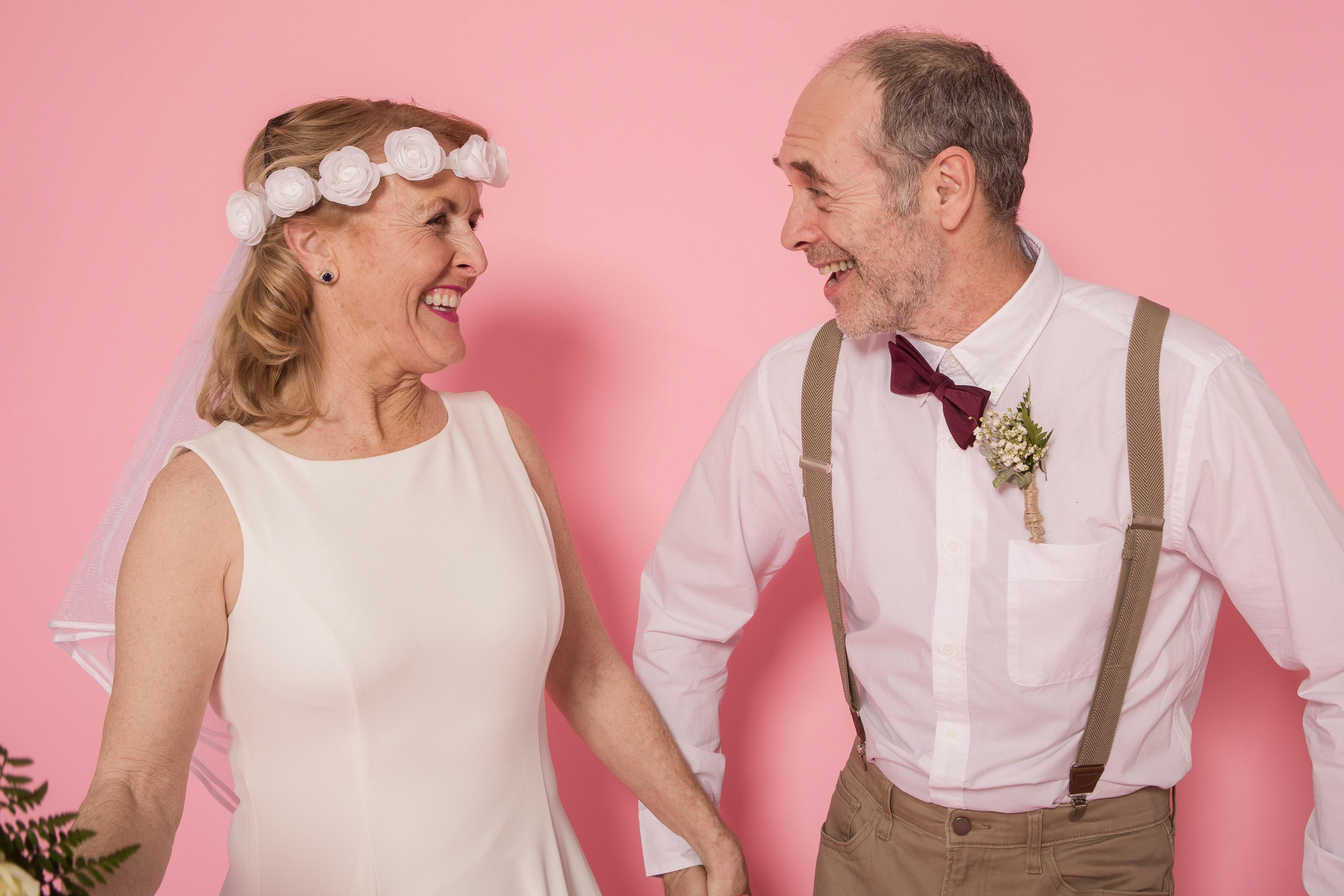
Intentional Love: Stop Waiting to Be Chosen, Choose Yourself
Fairy Tale Lied. Here’s How Intentional Love Rewrites the Ending
The fairy tale didn’t just mislead us. It trained us.
The fairy tale lied to me. Did it lie to you too?
We were taught to wait.
To be good.
To be deep but not too deep.
Strong but not intimidating.
Sensitive but never demanding.
We learned to place our worth in someone else’s hands and call it romance.
For years, I lived by that formula. I waited to be chosen like it was a prize I had not earned yet. I believed that if I worked harder at being perfect, the Prince would finally see me.
Healing did not happen when someone finally picked me.
It happened quietly, almost invisibly, when the internal switch flipped from hoping to be chosen to choosing myself.
That moment is where Intentional Love begins. Not with chasing, proving, or shrinking. With arriving whole.

How People Pleasing in Relationships Destroys Intimacy
Many people do not realize they are people pleasing in relationships because it often looks like being supportive, flexible, or easygoing. The damage begins when you silence your needs to keep the peace.
Common examples look like this.
• Avoiding difficult conversations because conflict feels scary
• Downplaying feelings to avoid seeming too much
• Over giving out of fear the relationship might end
• Agreeing when you actually want to say something else
Over time, this pattern creates resentment, anxiety, and emotional distance.
Psychology calls this self-silencing. Research links self silencing to emotional stress and long term relationship dissatisfaction. When you hide yourself to stay connected, intimacy slowly erodes.
If you often feel like you give more and feel less secure, this is not a personal flaw. It is a learned survival pattern.
Intentional Love Is a Decision, Not Motivation
Most people try to fix relationships by trying harder. More patience. More explaining. More over functioning.
Effort without intention turns into self abandonment.
Motivation changes daily. Intentional Love is stable.
Intentional Love means.
• You stop performing to be lovable
• You communicate clearly instead of hoping someone just knows
• You stay connected to yourself while building connection with another
This is emotional maturity, not selfishness.
Research on self-compassion shows it supports healthier relationship behaviors, especially during stress and conflict. People with stronger self-compassion tend to respond more constructively rather than collapsing, over-explaining, or attacking.

Self Worth in Love Changes Everything
Many people struggle in relationships because they were trained to believe love must be earned. Emotionally mature relationships are built on self respect and honest communication.
Healthy love includes.
• Speaking your needs without guilt
• Having boundaries without fear
• Trusting that you do not need to shrink to be chosen
• Choosing partners who show respect consistently
When you stop trying to be good enough, you stop settling for relationships that require you to disappear.
This is where relationship therapy often helps. Therapy supports people in unlearning fear based patterns and building communication skills that create emotional safety and real intimacy.
If you’re unsure whether therapy is right for you, start here: why you need relationship therapy
Signs You Are Still Waiting to Be Chosen
If these feel familiar, nothing is wrong with you. You were conditioned to prioritize approval over authenticity.
• Apologizing for having needs
• Staying quiet to avoid ruining the mood
• Overthinking texts, tone, and timing
• Feeling anxious asking for reassurance
• Fearing honesty might push someone away
This is survival, not love.
Choosing Yourself Reveals the Truth
Choosing yourself does not damage relationships. It reveals whether they are real.
When people pleasing stops, one of two things happens.
• The relationship grows because honesty replaces fear
• The relationship ends because it depended on you staying small
Either outcome brings you back to your self worth in love.
Research also links self-compassion with stronger relationship well-being and emotional resilience. When you feel safer inside yourself, you stop chasing validation and start communicating with confidence.
If you want a simple guide to emotionally mature relationships, read: green flags for healthy relationships

Join the Intentional Love Challenge
People pleasing in relationships keeps you stuck in anxiety and emotional self silencing, while Intentional Love teaches you how to build healthy relationships through self worth, clear communication, and emotional maturity.
This Valentine’s Day, the story changes.
I am inviting you to a 5 day experience called Intentional Love. You will learn how to show up in relationships with grounded intention instead of anxiety or over effort.
Join here: https://dretelleit.com/intentional-love-challenge
Love grows from intention, not pressure.
Choose yourself. Arrive whole.
Love and Light,
Dr. Etel Leit
Your LOVE Doctor
