
Feeling Stuck in Life or Love? How to Break Unhealthy Relationship Patterns and Let Go
Feeling stuck in life or in a relationship often comes from repeating unhealthy patterns that feel familiar, even when they no longer serve you.
Passover is often described as the story of leaving Egypt, but psychologically, it reflects something deeply personal.
It represents the moment when you begin to question what you’ve normalized in your own life, especially in your relationships, your communication patterns, and your internal dialogue.
Many people say they feel stuck in life or stuck in relationships, but in reality, what they are experiencing is not always being stuck. It is being deeply accustomed to patterns that no longer support their growth, their emotional safety, or their sense of self worth, and that distinction matters because what feels permanent is often just familiar.

1. The Hidden Patterns That Keep You Feeling Stuck
Unhealthy relationship patterns are often not obvious, and they do not always show up as major conflict or dramatic moments.
Instead, they appear as subtle, repeated behaviors that slowly disconnect you from yourself. This can look like overthinking after conversations, people pleasing in relationships, avoiding honest communication, or constantly questioning your value.
These patterns are easy to normalize because they are consistent and familiar, which makes them harder to recognize as something that needs to change. From a psychological perspective, your brain is wired to maintain familiarity, so even patterns that create emotional discomfort can feel safe simply because they are predictable. This is why breaking patterns in relationships requires more than awareness, it requires a willingness to step into something unfamiliar.
2. Why Letting Go Feels So Difficult
If you have ever wondered why it is so hard to let go, the answer is not a lack of strength, it is the way your mind is designed.
Your brain prefers what is known, even if what is known is not healthy, because familiarity creates a sense of control. This is why many people stay in patterns that do not feel good, they understand them, they know how to navigate them, and that predictability creates a false sense of safety.
Letting go requires emotional courage because it asks you to move toward something you have not fully experienced yet. It asks you to trust that something better exists, even before you can clearly see it. This is where most people hesitate, not because they do not want change, but because change requires stepping into the unknown.
3. What You’re Really Afraid Of
If this resonates, this is your moment to pause and subscribe, because what comes next is where the shift begins and where you start learning how to actually break unhealthy relationship patterns in a real and grounded way.
Most people believe they are afraid of change, but what they are actually afraid of is the identity shift that comes with it. Breaking unhealthy patterns means becoming someone who communicates differently, who values emotional safety, and who no longer accepts what feels misaligned.
This version of you may feel unfamiliar at first, and that unfamiliarity can feel uncomfortable even when it is healthier. Growth is not only about leaving something behind, it is about stepping into a version of yourself that operates in a new way.

4. How to Break Unhealthy Relationship Patterns
Breaking unhealthy patterns does not require a dramatic life change, it starts with one honest recognition. Begin by noticing where you are saying “it’s fine” when it does not actually feel fine, whether that shows up in your communication, your boundaries, or how you show up in your relationships. From there, focus on small, consistent changes such as speaking more clearly, pausing before reacting, and becoming aware of when you are over giving or over explaining. These small actions begin to shift your patterns over time, and research in psychology consistently shows that lasting change comes from repetition and awareness rather than intensity. The goal is not perfection, the goal is alignment.
5. What Emotional Freedom Actually Feels Like
Emotional freedom is often misunderstood because people expect it to feel dramatic or immediate, but in reality, it is subtle and grounded. It feels like calm, like clarity, and like no longer needing to overanalyze every interaction or question your worth. As you begin to break unhealthy patterns, you will notice a shift in how you experience relationships, you will feel more stable, more present, and more connected. This is what secure, meaningful relationships are built on, not anxiety or overthinking, but emotional safety and mutual understanding.
Final Thoughts
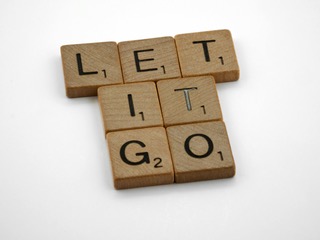
If you feel stuck in life or in love, consider that you may not be stuck at all, you may simply be used to patterns that no longer align with who you are becoming. Change does not require everything to shift at once, it begins with one honest moment of awareness followed by small, intentional steps, and that is how you begin to create real emotional freedom.
